Guitar Beginners Guide

Starting out with guitar can feel a bit overwhelming, but with the right guidance, it becomes an exciting adventure. Let’s explore the essentials to set you on the right track.

Choosing between an acoustic or electric guitar is one of the first decisions you’ll face. Acoustics are straightforward and don’t require external equipment, making them ideal for beginners who love the sound of folk or singer-songwriter tunes. Electric guitars, on the other hand, offer more variety in sound with different effects and are great for rock or blues aficionados. Consider what styles of music resonate most with you when making your choice.

Once you have your guitar, a few accessories can make a world of difference. Picks, for instance, come in various sizes and thicknesses, impacting your playing style and tone. Tuners are crucial for maintaining your instrument’s sound, keeping everything in harmony. A good strap not only brings comfort but can also showcase your style. Each tool plays a vital role in enhancing your learning experience.

Understanding the structure of your guitar — from the body and neck to the strings — is like learning the alphabet before crafting sentences. This knowledge empowers you to make sense of instructional guides and follow along with tutorials with ease. Every part of the guitar has its specific purpose, and becoming familiar with these will only boost your confidence as you progress.

If music is a language, then the fretboard is your dictionary. Getting comfortable with it involves recognizing notes and chords quickly. Start with basic chord shapes like A, D, and E, then progress to more complex ones as you get more comfortable. This habit can unlock a multitude of songs for you to play.

Finger exercises are a perfect way to build strength and dexterity. Simple routines, like chromatic scales or chord transitions, can do wonders for finger independence and speed. Dedicate a few minutes daily to these exercises — over time, you’ll notice impressive improvements.

Practicing regularly is key to honing your skills. Set a consistent routine that fits your schedule and stick to it. It’s better to practice a little every day than cram for long sessions sporadically. Set realistic goals for yourself, like learning a new chord each week or mastering a simple song.

It’s normal to hit rough patches, where progress seems to stall or frustration creeps in. Remember why you picked up the guitar in the first place and let that ignite your motivation. Keep things fun and enjoyable by playing songs you love, and don’t be afraid to seek out communities to share experiences and tips. The joy of playing comes from persistence and finding excitement in the journey itself.

Guitar For Beginners Reddit

bell logobell logoReddit might seem like a big jumble of opinions at first, but for guitar newbies, it can be an absolute gem. Subreddits like r/guitar and r/GuitarLessons are filled with helpful folks who love sharing their knowledge. Whether it’s picking out equipment or tackling tricky chords, these communities thrive on collaboration and support.

When you’re just getting going, picking the right guitar is crucial. Many on Reddit suggest starting with an acoustic since it requires a little less upkeep and can build up those finger muscles. Electric guitars often catch the eye, too, and users provide great insights on budget-friendly options. Keeping in touch with these communities helps you weigh the pros and cons based on firsthand experiences from tons of real people.

Learning the ropes can feel pretty overwhelming, but the advice from seasoned players is invaluable. Reddit’s full of seasoned players who’ve been right where you are now and love passing on tips. You’ll find advice on everything from basic chords and strumming techniques to more advanced music theories. The key is to disengage from information overload and focus on small, manageable chunks of learning.

Navigating the world of online lessons can be a challenge, and this is where Reddit-related recommendations shine. Users love to share links to YouTube tutorials, online courses, and even free lesson sheets. You’ll often see shout-outs to websites like JustinGuitar, which is super beginner-friendly, and various mobile apps that make practice sessions efficient and fun.

Being part of a passionate community makes it way easier to stick with your new hobby. Many beginners find motivation in Reddit discussions, picking up tidbits on how others stay disciplined and inspired. Seeing others grapple with the same challenges and posting small victories is oddly motivating. Joining or just lurking in these groups could offer you the burst of encouragement you might need on a rough day.

After you’ve spent some time learning, sharing your progress can be rewarding. Reddit guitar challenges allow newbies to record and upload their tunes to the community. It’s a fantastic way to track your journey and receive feedback. Plus, participating in these challenges gives you a sense of achievement and keeps the learning process engaging.

What Is The Trend In Rock N Roll Music Gear Right Now

Rock ‘n’ roll music gear has evolved in some interesting directions recently. If you play in a band or record at home, you’ve probably noticed some new trends in the gear people are using. I’ve kept an eye on these changes, so here’s what I see happening right now in rock ‘n’ roll equipment. Whether you’re just starting out or already have a full setup, staying informed can help you make solid decisions as you upgrade or expand your collection.
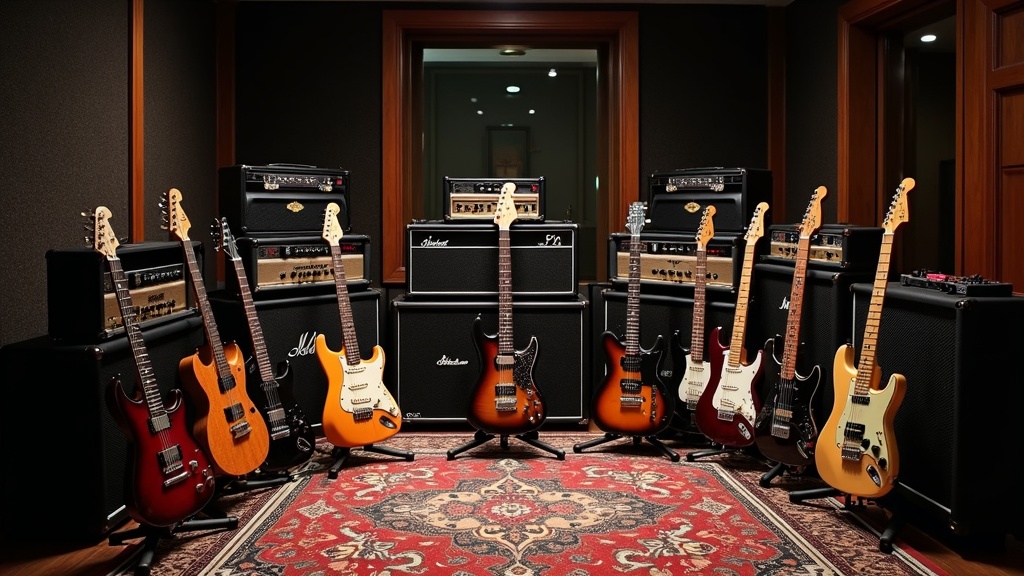
Modern rock n roll music equipment, featuring electric and bass guitars, effects pedals, and amplifiers in a rehearsal studio

Current Rock ‘n’ Roll Gear Trends

Rock music gear keeps moving forward, balancing tradition with new technology. More players are mixing vintagestyle gear with modern tech to achieve unique sounds. While classic guitars and amps remain popular, pedals and digital gear are changing the way musicians shape their tone. I notice that gear sales reflect these ideas, with big brands reissuing vintage pedals and smaller companies putting out creative designs.

Guitar magazines, online forums, and music stores all show that players want versatility. Multieffects units and amp modelers are in demand, but you’ll still find a solid market for classic tube amps, analog pedals, and oldschool recording gear. This mix of new and old is defining how today’s rock musicians create their signature sound and adapt to many playing settings.

Essential Gear for Rock ‘n’ Roll in 2024

Getting the basics right is really important if you want to sound your best and stay inspired. Here are the essentials I recommend for anyone keeping up with today’s rock gear trends:

  • SolidBody Electric Guitar: Most modern rock bands still rely on classics like Fender Stratocasters, Telecasters, or Gibson Les Pauls. However, I also see more people trying less common models or boutique guitars for something fresh.
  • AllPurpose Amplifier: Many players have started using lightweight, portable modeling amps that can recreate the sounds of vintage stacks. Others still love tube amps for their warmth and response, using attenuators to control the volume for smaller gigs and home use.
  • Pedalboard with Modern Effects: While overdrive and distortion pedals will always be core pieces, lots of musicians are adding digital delays, reverbs, and looper pedals, not just for solos but to create more texture in live shows and recordings.
  • Audio Interface and Recording Setup: Home recording is part of almost every musician’s workflow now. USB audio interfaces, good microphones, and decent headphones or monitors can give your productions a real boost, letting you track ideas and demos with pro quality at home.

These essentials form the basis of most rock setups today. I always find it helpful to start with goodquality basics and add effects and accessories that match my own style.

What’s New in Guitars and Basses?

Guitars and basses sit at the heart of rock, and there’s a lot of buzz about new shapes, construction methods, and even materials. Classic brands like Fender and Gibson keep updating their classics with modern hardware and electronics. Guitarists are interested in lighter guitars with comfortable neck profiles, noiseless pickups, and even roasted maple necks for better stability.

Bass players enjoy shortscale models that play smoothly and have a punchy sound, while active electronics provide more tone options. Multiscale or “fanned fret” designs are getting a little more notice, especially among progressive players who want better string balance throughout the range.

There’s also a new focus on sustainability. Brands offer guitars made of alternative woods or recycled materials as a way to address worries about overusing traditional forests. It’s a fresh direction for anyone who cares about the environmental impact of music gear.

Trends in Amplifiers and Speaker Cabinets

Lightweight amps are everywhere now, thanks to new digital technology. Players who once lugged around big tube heads often choose modeling amps or pedalboardfriendly power amps. The sounds are surprisingly close to classic stacks, but without the backache that used to come with them.

Companies like Boss, Line 6, and Kemper are popular for their modeling capabilities. These amps can dial in dozens of tones, store presets, and manage effects in one box. This makes them really convenient for gigging musicians who need to cover a lot of ground in a single night. I appreciate carrying less gear and having much more flexibility at my feet.

That said, tube amps are still hanging on strong for people who love oldschool drive and organic dynamics. Some players are running them with IR loaders or direct recording options. This means you can get the feel and response of a real amp while keeping your volume manageable for apartment playing or late night recording.

Effects: Pedalboards and Multieffects Units

Pedalboards just keep growing in variety. Players use a mix of boutique analog pedals and digital multieffects now. Digital units like the Line 6 Helix or Boss GT1000 deliver hundreds of effects and amp models in one device. These are especially useful for covering multiple sounds without hauling a suitcase full of pedals to every gig or rehearsal.

At the same time, smaller pedal builders keep putting out some eye-catching analog effects that cater to musicians searching for a unique twist. Pedals that blend vintage fuzz with envelope filters, wildly modulated delays, or new spins on classic sounds are becoming really popular. I’ve found these unique pedals a great way to add personality to my own rig.

Getting creative with your pedal order and how you stack effects can shape your tone, too. Many guitarists now use switching systems to control their pedal chains with one foot tap, making complex sounds easier and more reliable on stage.

Recording Tools: Home Studios Are the New Normal

Home recording setups have become a part of every rock musician’s workflow. With DAWs (digital audio workstations) like Ableton Live, Logic Pro, or even free tools like Reaper and GarageBand, it’s now much easier for me to lay down tracks and build full arrangements at home without needing highpriced studio time.

The big trend now is integrating guitar and bass processors directly into the computer via USB or wireless. This means amps, effects, and even full rigs can be captured with virtually no noise or setup headaches. I often use amp modelers or plugin suites like Neural DSP and AmpliTube for a wide range of tones, and I don’t need a dedicated studio space.

Hybrid mixing—using both analog hardware and digital plug-ins—is also catching on. Companies offer compact analog EQs, compressors, and preamps that plug easily into any setup and give more tonal control and warmth. Even drummers, once stuck with loud acoustic kits, benefit from electronic drum sets that mix in easily with digital home studios.

If you’re thinking about setting up your home studio, take time to check out monitors or headphones that reveal the detail in your recordings. Good studio monitors will step up your mix game and help bring your tracks up to a pro level.

Gear for Live Shows in the Modern Age

Live performance setups are switching up fast. More bands are using portable gear that’s quick to set up and break down after a gig. Smaller amps, direct boxes with cab simulation, and pedalboards that cover lots of sounds are now the big ticket items for gigging musicians.

Wireless systems are part of the everyday rig now, whether you’re using them for instruments or inear monitors. This cuts down on tangled cables and gives you the ability to move around the stage. A newer trend is using inear monitors instead of floor wedges. They deliver a cleaner, more controlled sound and help protect your hearing for the long term.

Considerations Before Upgrading Your Gear

Before getting swept up in what’s trending, I think carefully about what’s honestly going to improve my playing or make shows more fun. New gear is exciting, but it’s easy to overspend without a plan.

  • Budget: Deciding ahead of time on a spending limit is helpful. Some gear gets expensive, so knowing your top needs first keeps things focused.
  • Compatibility: New gear might not always work with older equipment, especially as connectors, MIDI, and Bluetooth keep changing. I double-check that anything new will play nicely with my current setup.
  • Ease of Use: Some advanced multi-effects and modelers take a little learning. I like gear that feels intuitive, so I can make it sound good without too much hunting through menus or deep programming.
  • Reliability: For anyone gigging, your setup needs to work every time. Reading honest reviews and using trusted brands can reduce headaches during a show.
  • Resale Value: Saving your boxes and taking good care of your gear makes selling or trading it a lot easier if your needs change down the road.

Budget

New pedals and amps get released constantly, but spending more money doesn’t always mean you’ll sound better. Sometimes, a simple setup just works—and it’s more practical, too. I try to invest in gear that gives a boost to my sound and meets a real need in my playing.

Compatibility

Connections and standards change as gear becomes more digital. Before I buy anything, I check which power supplies, cables, and mounting options are needed. Some older pedals have special voltage needs or rare adapters, while newer modelers need USB or Bluetooth for updates. Creating a list of your current setup avoids headaches.

Ease of Use

If a pedal or modeling unit is too complicated, it usually ends up sitting on a shelf. I try out new gear in shops when I can and check out video demos to see how userfriendly it really is. Often, simpler gear is easier to live with, especially if you’re gigging often or sharing with bandmates.

Tips, Tricks, and Advanced Advice for Rock Players

Once you have a solid main setup, experimenting with advanced setups gets much more fun and creative:

Blend Analog and Digital: Using a mix of analog pedals and digital processors helps you come up with unique sounds. For example, I like stacking a classic overdrive ahead of a digital multieffects to combine warmth with flexibility.

Dial in Custom Presets: Multieffects pedals and amp modelers let you store custom presets for each song or setlist. Taking the time to organize banks saves time when switching songs on stage or juggling covers.

Add MIDI Control: Many modern pedals, amps, or even lighting systems can be controlled with MIDI. This means you can change settings or switch patches without lifting a finger. Some acts sync their gear changes up to backing tracks for a seamless show.

Try Stereo Setups: Running two amps or direct boxes in stereo will make your sound bigger and more engaging. I’ve had great luck using this for delays, chorus, or lush reverbs—especially if you’re in a modern rock or experimental band.

These pointers aren’t musthaves, but they help you make the most out of your equipment and can stop you from chasing trends that won’t fit your own style or needs.

Common Questions About Rock Music Gear Trends

I get a lot of repeat questions from musicians wanting to keep up with the latest rock gear changes:

Question: Should I sell off my tube amp and go fully digital?
Answer: Not necessarily. Many musicians use both. Try a smaller digital setup for home or gigs where volume is an issue, and keep your tube amp for times when you want real tube drive. Hybrid setups are really popular now.


Question: Is it worth investing in boutique pedals?
Answer: If you want something different and enjoy unique builds or features, boutique pedals are great. I like supporting independent builders and finding effects that let my playing stand out and sound fresh.


Question: Are traditional guitars becoming outdated?
Answer: Not at all. Even with new builders and fresh materials, most players stick to proven models. The biggest changes are in hardware and pickup upgrades, not the core shapes or feel.


Why Keeping Up With Gear Trends Matters

Staying aware of new trends helps me keep my playing current and my setup adaptable for every gig or recording. Even if you only put a few new ideas to work, being in the know lets you make smarter choices when it’s time to update or expand.

Every upgrade or new setup lets you express yourself in new ways. Whether you blend modern modelers with vintage pedals, or dial in your home studio for the best results, tools for rock musicians today are more accessible, creative, and fun than ever before.
Default – Affiliate Disclosure

In 2015, the Federal Trade Commission released their new rules for Disclosure Compliance. These rules are set in place to ensure that readers or viewers of web media (blogs, Youtube videos, etc.) know if the blogger/presenter is sponsored, endorsed, or partnered with a different company. In blog terms, the readers need to know if the blogger is making money by sharing a link or product.

In compliance with the FTC guidelines, please assume the following about links and posts on this site: Any/all of the links YOURWEBSITE.com are affiliate links of which I receive a small compensation from sales of certain items.

What are affiliate links?

Purchases are made on external affiliate company websites: When a reader clicks on an affiliate link located on YOURWEBSITE.com to purchase an item, the reader buys the item from the seller directly (not from YOURWEBSITE.com). Amazon and/or other companies pay YOURWEBSITE.com a small commission or other compensation for promoting their website or products through their affiliate program.

Prices are exactly the same for you if your purchase is through an affiliate link or a non-affiliate link. You will not pay more by clicking through to the link.

I use two main types of affiliate programs:

1. Amazon affiliate links.

YOURWEBSITE.com is a participant in the Amazon Services LLC Associates Program, an affiliate advertising program designed to provide a means for sites to earn advertising fees by advertising and linking to Amazon properties including, but not limited to, amazon.com. Amazon offers a small commission on products sold through their affiliate links.

If a blogger links to an Amazon product (with a special code for affiliates embedded in the link), and a reader places an item in their “shopping cart” through that link within 24 hours of clicking the link, the blogger gets a small percentage of the sale. Amazon links are not “pay per click.” If you click on the product link and stay around Amazon and purchase something else, however, I will get commission on that sale.

Anytime you see a link that looks like astore.com/… or amazon.com… it can be assumed that it is an Amazon affiliate link.

2. Product affiliate links.
These affiliate links work the same way: if you click the link and buy the product, then the blogger gets a percentage of the sale or some other type of compensation. Things like e-book bundles, e-courses, and online packages are usually affiliate links, as well. Again, prices are not different if you use these affiliate links. You will not pay more by clicking through to the link. These links are not “pay per click”, unless otherwise denoted.

What about sponsored content?

I do not write sponsored posts. I want to bring you real, unbiased information. However, if a post is sponsored by a company and it is a paid sponsorship, I will disclose this clearly in the beginning of the post.

Welcome Newsletter

Newsletter welcome illustration

Welcome to My Newsletter!

Thanks for subscribing to my newsletter! I’m glad you’re here, and I’m excited to share helpful tips, updates, and surprises straight to your inbox. If you ever have any questions or suggestions, you can always reach out here.


About This Newsletter

What can you expect?

My newsletter is all about sharing things I’ve learned about the guitar, and find helpful, or think you’ll enjoy. You’ll see regular updates with practical advice, curated resources, and sneak peeks at projects I’m working on. If you’re into thoughtful insights along with a few fun extras, this will feel right at home in your inbox. And just so you know, sometimes I’ll include interviews, tech trends, or creative spotlights on topics you might not usually stumble upon. I love mixing in content that’s both useful and a little outside the box, so every edition contains something fresh.

How often will I email you?

I’m a big believer in keeping things useful and not overloading your email. I usually send an update once a week, sometimes a bit more if there’s something time-sensitive or exciting. I want every email to feel worth opening; no spam or endless promotions. I also announce special series or themed editions from time to time, so be sure to keep an eye out for those extra treats.

What’s the main focus?

I cover a mix of helpful guides, practical how-tos, and quick takes on what’s new in my areas of interest. Expect a personal touch, behind-the-scenes looks, and recommendations I actually use myself. Occasionally, I invite guest contributors to share their perspectives, ensuring you get a well-rounded view on topics that matter. Feedback from readers also shapes upcoming content, so your thoughts really help make each newsletter edition special.


Getting Started

How do I make sure I get every issue?

Email filters can be pretty aggressive. To make sure you never miss an update, you can add my newsletter address to your contacts or mark the first email as “Not Spam” if it lands there by mistake. That little step really helps you stay in the loop. Plus, if you’re using multiple inboxes or a dedicated newsletter folder, double-check there just in case.

Can I update my preferences?

Absolutely! If you ever want to get fewer emails, pause updates, or change your interests, just click the preferences link at the bottom of any newsletter. I want this be as useful and tailored as possible for you. You’re also welcome to let me know directly if you’d like different content focus, and I’ll do my best to make it happen.

How can I unsubscribe?

If your inbox ever gets too crowded or the content isn’t what you’re looking for, you can unsubscribe at any time. The unsubscribe link is always in the foot no guilt and no questions asked. If you wish to come back later, you’re always welcome to rejoin the community whenever it feels right for you.


Reader Benefits

What perks do subscribers get?

I love sharing early access to new posts, downloadable guides, and occasional freebies as a thank-you for being along for the ride. Sometimes I’ll also include discount codes, partner offers, or bonus content only available to newsletter friends. You can also take part in occasional polls or Q&As, which shape what I include in upcoming newsletters. Regular readers sometimes get shoutouts or have their questions answered in feature sections, giving everyone a chance to get involved.

Will I get notified about giveaways or events?

Yes, newsletter subscribers always get the first word on giveaways, online meetups, and new event launches. If you’re looking for a way to join in and maybe win something eye-catching or meet others in the community, you’ll find it here first. Event recaps, photo galleries, and tips from past participants are also shared so you can get a sense of the community even if you can’t join live.


Staying Connected

How can you reach me?

Your replies don’t just go into a void. I read everything, and it’s honestly my favorite part of running this newsletter. Hit reply any time, or use the contact page on my website. If there’s something you want me to cover, a question you’d like answered, or just a quick hello, I’m always happy to connect. I aim to respond to messages within a day or two, and your ideas often inspire future themes and features.

Can you share the newsletter?

I’m all for sharing! If you know someone who might enjoy the newsletter, you can forward any issue to them. There’s also a share link at the top of every email to make things super quick. If your friends join, let me know; I love sending out digital thank-you notes or featuring community milestones.


Common Questions

Is my information safe?

Your privacy is really important to me. I don’t sell, share, or give away your email address. Newsletter details are managed through a secure provider, and you’re always in control. If you want to double-check details or read my privacy policy in detail, just reach out and I’ll send it your way for peace of mind.

What if I have trouble with links or attachments?

If anything ever isn’t working, like a download link, resource, or image, just let me know and I’ll fix it for you. Sometimes gremlins sneak in, but I do my best to make sure everything works smoothly. You can also reply with screenshots or error messages, so I can troubleshoot quickly and send updates or working links as needed.


Still Have Questions? Reach Out Anytime!

If there’s anything you want to ask, share, or suggest for the newsletter, you’re always invited to contact me directly. I appreciate your feedback and am here to help make this newsletter experience awesome. With your help, this community will keep growing and stay fresh, so please don’t hesitate to reach out at any time.