
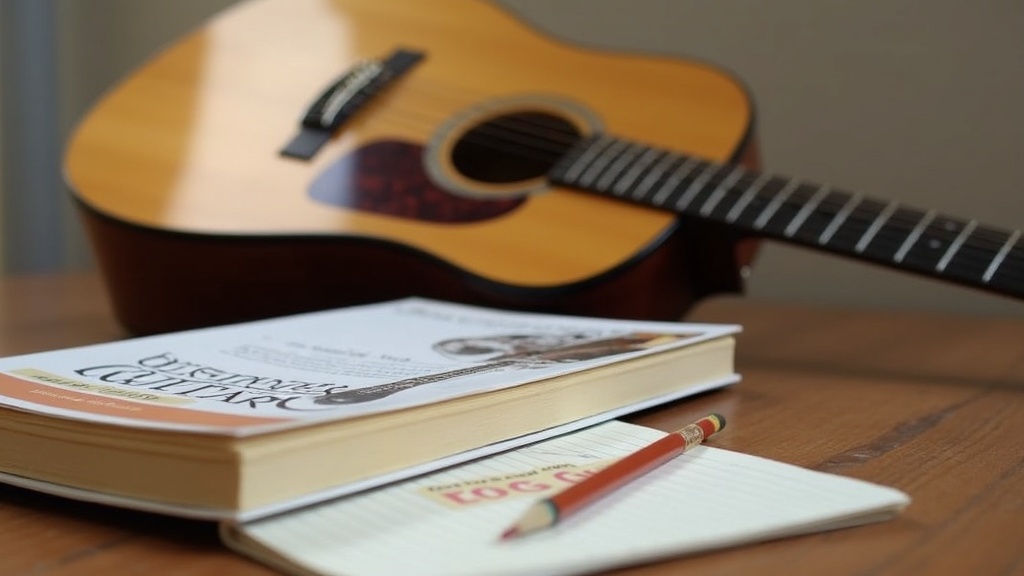
 Picking up the guitar for the first time can feel pretty overwhelming. Strings buzzing, fingers hurting, and a bunch of chords that look impossible. From my experience, a well structured beginner’s guidebook made a huge difference. It walked me through the basics, gave me clear steps, and kept things motivating when I felt stuck.
If you’re thinking about learning guitar, having a help guide for beginning guitar players puts you on a smoother path. With the right book, you get clear explanations, practical exercises, and advice from someone who knows what it’s like to be a beginner. I want to share what to look for in a quality guide, how to get the most out of one, and some tips I wish I’d known when I started. Plus, I’ll share some extra tips to help you get the most from your early practice sessions and keep your motivation up.
A good help guide doesn’t just dump info on you. It gives you progress you can see and feel, whether you want to strum along with your favorite songs or someday play lead guitar in a band. Here’s how to choose and use a beginner’s guitar guide so you stick with it, and actually have fun along the way.
Figure Out Your Learning Style
Every new player learns differently. Some people love following diagrams and charts, while others need pictures and clear, simple instructions. When I first started, I found that books with lots of images and step by step directions made things much easier. Knowing what works for you helps you pick a guidebook you’ll actually use.
Consider These Questions:
- Do I like detailed explanations or do I prefer visuals?
- Would practice exercises or songbased learning keep me more motivated?
- How much time can I dedicate to learning each week?
- Do I want basic chords or some music theory included?
Once you answer these, you’ll see which type of beginner’s guitar book fits your preferences best. Learning by understanding your strengths from the start makes practice sessions feel more productive and rewarding.
Find a Book with Clear Basics
Many beginners (myself included) get frustrated by books that jump in too fast or use confusing terminology. A solid beginner’s guitar guide breaks everything down; you get explanations for tuning, holding the guitar, finger placement, and even how to read basic chords.
Must-Have Topics in Your First Book:
- How to Tune: Simple instructions for tuning by ear or tuner.
- Holding the Guitar: Guides for both right handed and lefthanded players.
- Proper Finger Positioning: Pictures of finger placement and common errors.
- Reading Chord Diagrams: Step by step visuals and tips.
- Basic Strumming Patterns: Simple patterns that let you play real songs quickly.
The right book will help you pick up your guitar with confidence, not confusion. Don’t skip over the foundation; it pays off down the line when you start learning more advanced chords and rhythms.
Start with Fundamental Chords and Songs
I still remember my first clean sounding G chord. It took weeks to get there. A good beginner’s book introduces basic chords such as G, C, D, Em, and Am, then helps you connect those to easy songs.
Tips for Mastering Your First Chords:
- Practice switching between two chords at a time before adding more.
- Use slow, steady movements; speed comes with time.
- Take frequent breaks to avoid finger pain or fatigue.
- Choose familiar songs from the book’s playlist. Recognition keeps things fun.
When your guidebook gives you bite sized exercises and song examples right from the start, you see progress quickly and stick with it longer. Playing simple tunes—even if it’s “Happy Birthday” or “Three Blind Mice”—is a confidence booster!
Follow a Simple Practice Plan
The best beginner guitar guides include structured practice schedules. These plans usually break learning into short sections; maybe 10 minutes on chords, 10 on strumming, and a few minutes trying out an easy song. Sticking with a plan, even for 15–20 minutes per day, keeps your progress steady.
Sample Practice Routine:
- Warm up: Finger stretches for 2 minutes.
- Chord Practice: Focus on two or three chords, switch back and forth for 5–7 minutes.
- Strumming: Practice one new pattern for 5 minutes.
- Song Practice: Play along with a simple tune from the book for 5 minutes.
This bite sized approach feels less like a chore and more like something you want to do regularly. Over time, you’ll find yourself stretching those sessions as your skills and love for playing grow. Remember, regular and focused practice is better than long, unfocused marathon sessions.
Avoid Common Beginner Mistakes
I made plenty of mistakes in the early days, and any good help guide should mention these too. Most important is remembering that progress takes time; few get a perfect sound on the first try. Guides that encourage patience and offer troubleshooting make the process less frustrating and help you sidestep common roadblocks.
Example Mistakes to Watch For:
- Pushing too hard and getting sore fingers.
- Ignoring tuning and practicing with a badly tuned guitar.
- Jumping ahead before building a strong foundation with chords and transitions.
- Comparing yourself to more advanced players. This one tripped me up a lot.
Books that offer tips or short personal stories from other players help you relate and realize what’s normal in the beginner phase. Don’t be afraid to mark your progress or celebrate small victories—these keep you moving through those tricky patches.
Know When to Seek Extra Help
Sometimes I hit a wall and needed extra help with technique or rhythm. A strong beginner’s book will point you toward video lessons or online resources for certain tricky sections. Never hesitate to check out these extra tools; they can make a confusing topic click quickly.
Consider Supplementing With:
- Free video tutorials linked from the book or recommended channels.
- Online tuning apps or interactive chord charts.
- Practice backing tracks for playing along and keeping time.
You get more value if your book suggests reliable websites or YouTube channels, especially for hearing how things should sound. Sometimes seeing and hearing something demonstrated makes all the difference compared to written instructions.
Frequently Asked Questions for Beginners
How long does it really take to learn my first song?
For me, it took about two weeks of regular practice. For some it’s faster, for others, a month. The key is short, consistent sessions rather than marathon practices. Be patient and celebrate when you can play through a song from start to finish, even if it’s slow.
What kind of guitar should I use with a beginner’s guide?
I started with a basic acoustic, but guides work with electrics too. Pick the one that makes you excited to play. Most tips in beginner books apply to both types. Your motivation and comfort are more important than the specific guitar style.
My fingers hurt. Is that normal?
Some soreness is common, especially at first. Make sure to take breaks, keep your nails short, and check your finger positioning for better comfort. Over time, you’ll build up calluses and playing will get easier.
Next Steps: Make the Most of Your Guitar Adventure
Choosing a help guide for beginning guitar players gives you a clear path through those first tricky steps. My own adventure had rough days, but the right book answered my questions and kept things moving forward. Stick with a guide that’s beginner friendly, practical, and encouraging. It’ll keep you reaching for your guitar and enjoying the process rather than stressing out about perfection.
Action Checklist:
- Pick a guide that fits your learning style. Flip through a few pages or check reviews if possible.
- Set aside a regular, realistic practice time. Even 15 minutes is enough to start.
- Celebrate the progress you make, no matter how small it seems.
What’s the first song you hope to play? I’ll bet having a help guide will get you there sooner than you think. The early days might be awkward, but each week you’ll notice just how far you’ve come. Keep at it, enjoy the learning, and you’ll be strumming real tunes before you know it!